 KidCue
2026-01-28
When Screaming Becomes the Default: A Visual Schedule Approach for Big Feelings
When screaming becomes the default, reduce the verbal load and make the next step visible with a short visual schedule, clear boundary, and transition cue.
这篇文章尚未完成中文翻译,以下正文为英文原文。
I used to think if I explained it calmly enough, the screaming would stop.
We talked. We reasoned. We tried to make sense of big feelings with more words. It looked right on paper. It did not work in real life.
The model that finally changed things is this:
When kids are overwhelmed, words feel invisible. Structure feels safe.
This is a real‑world approach for preschool emotional regulation when screaming becomes the default, especially for kids who struggle with transitions or ADHD‑like traits.
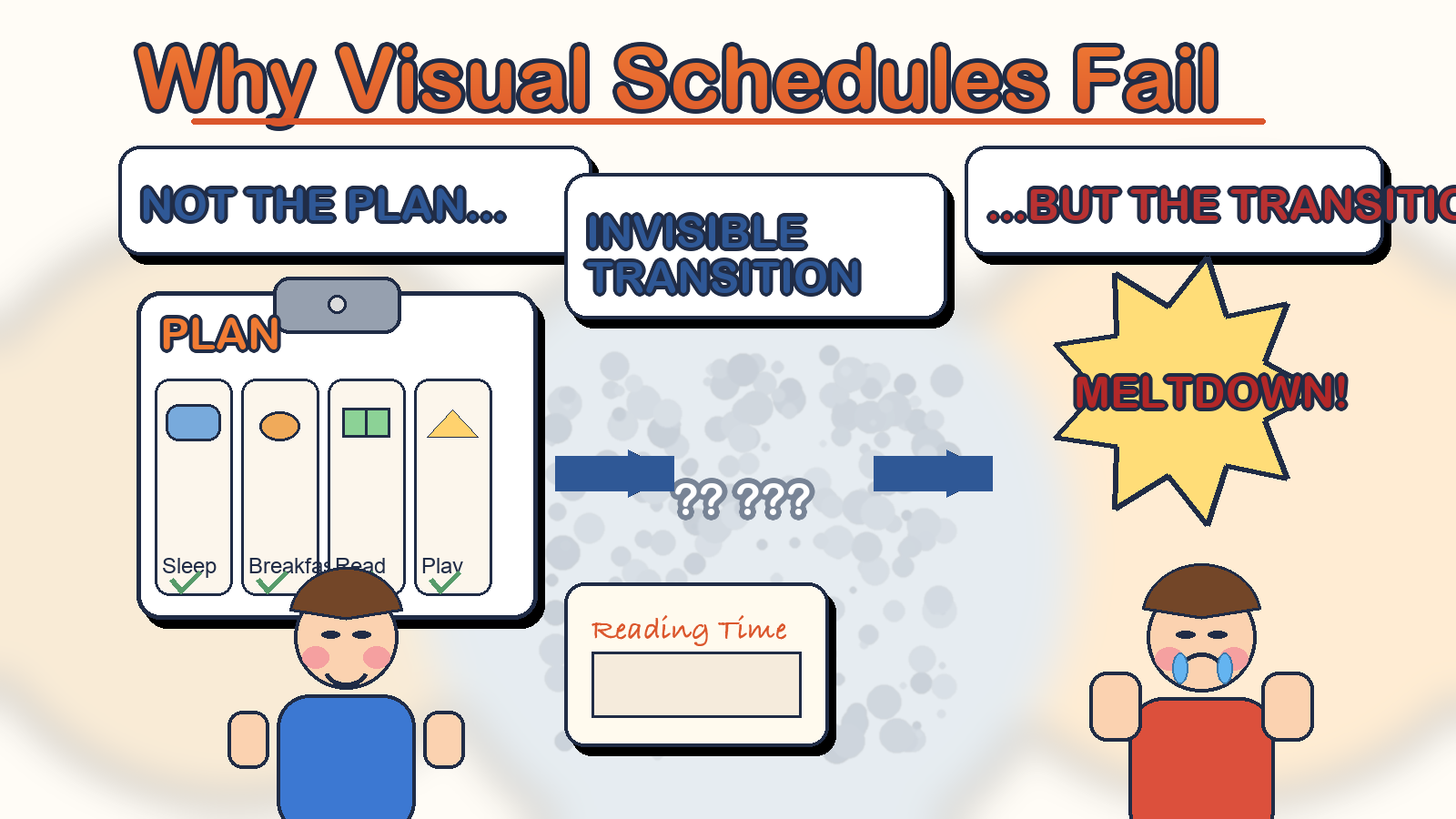
Why screaming takes over
Screaming often shows up when a child feels out of control, or when a transition feels sudden and unfair. If the day is unpredictable, the body chooses the fastest way to protest.
That is why a visual schedule for kids can help. It makes time, order, and endings visible.
The shift: stop chasing perfect, start making the next step visible
Kids do not need a perfect plan. They need a plan they can see.
You can start with one routine:
- school mornings
- screen time endings
- bedtime
Create a simple sequence. Use pictures. Keep it short. Then follow it the same way every day.
Use a visual timer and follow through
When the rule is clear, do not negotiate it in the moment. You can be warm and still firm.
“Five more minutes.” Set the timer.
“When it beeps, we go.” Then you go.
The timer is not punishment. It is a shared boundary.
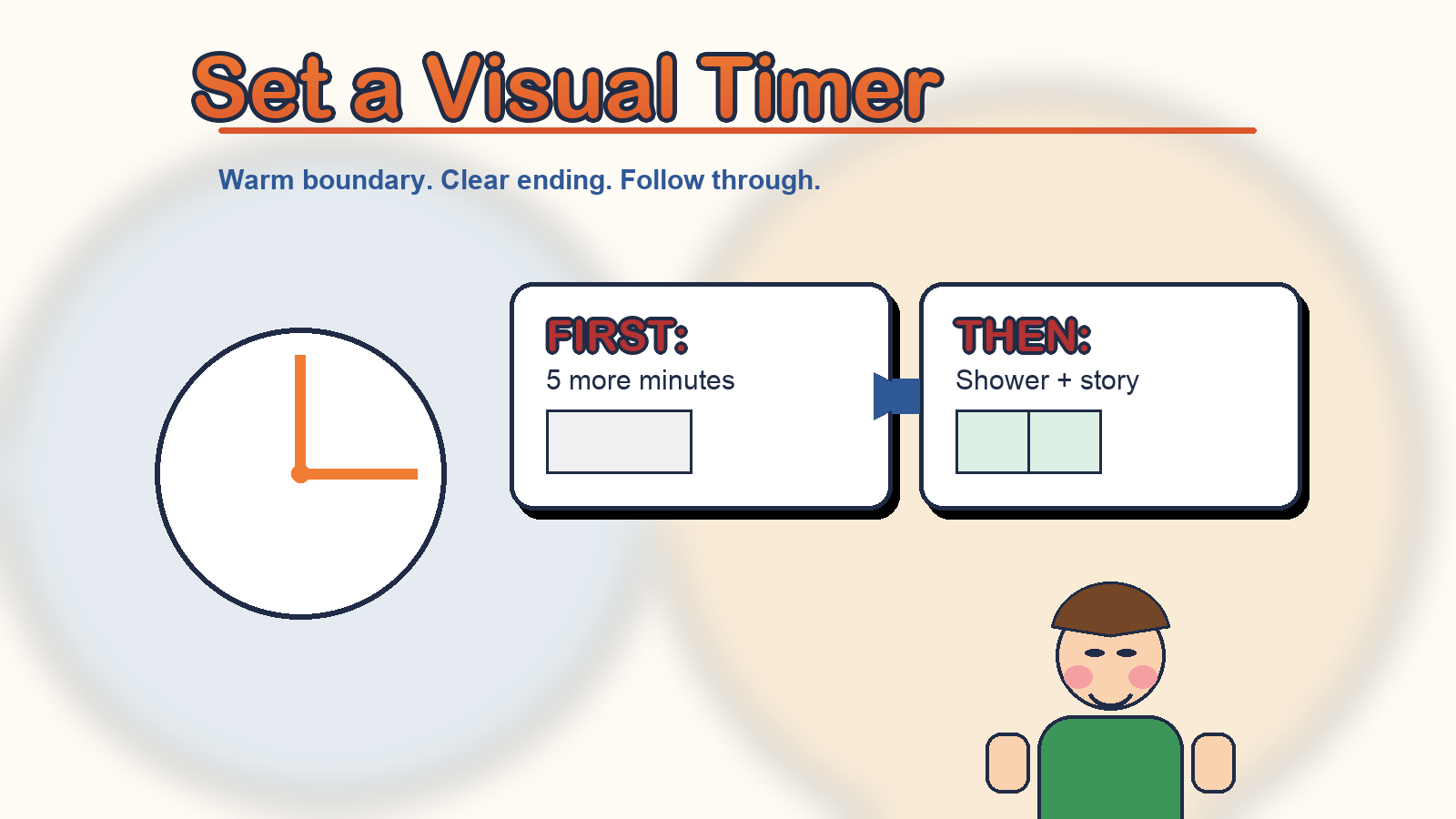
If this is the hardest part for your child, a visual timer for ADHD can make the ending feel real.
Make transitions a visible bridge
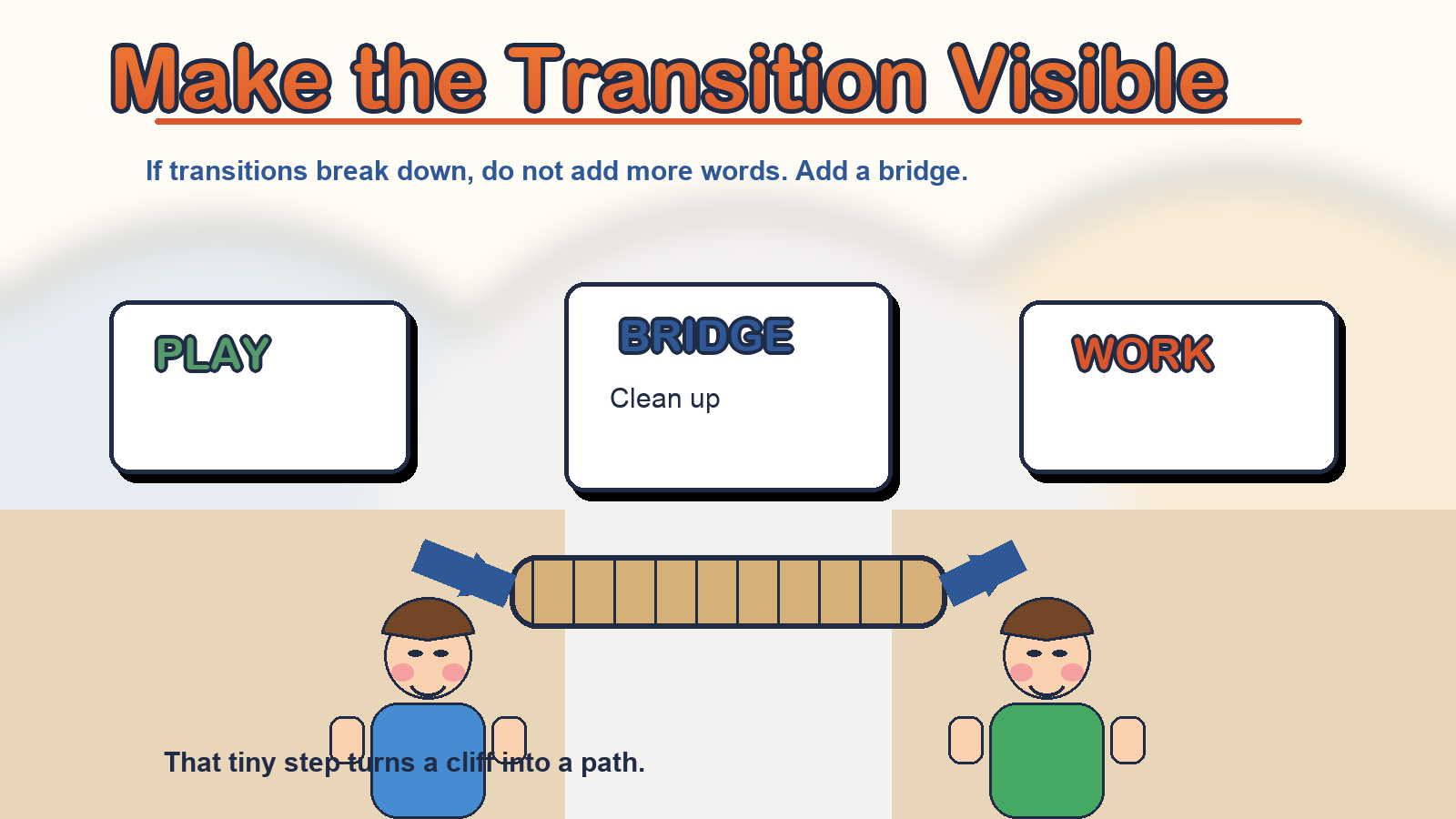
The meltdown is often not about the next activity. It is about the gap between them.
Add a bridge step:
- “clean up”
- “choose a spot”
- “carry the shoes”
This is why a visual schedule for transitions works so well for preschoolers.
Consistency beats intensity
When parents feel overwhelmed, we get reactive. Then kids learn that volume wins.
Structure is not harshness. It is stability.
Say no. Keep the rule. Let the tantrum happen without bargaining. Then repeat the same plan tomorrow.
This is not about raising a “perfect” child. It is about helping a child feel safe enough to follow the next step.
End the day with a predictable close
One calm story. Lights off. One predictable ending.
That small ritual tells a child: the day is safe, and it is done.
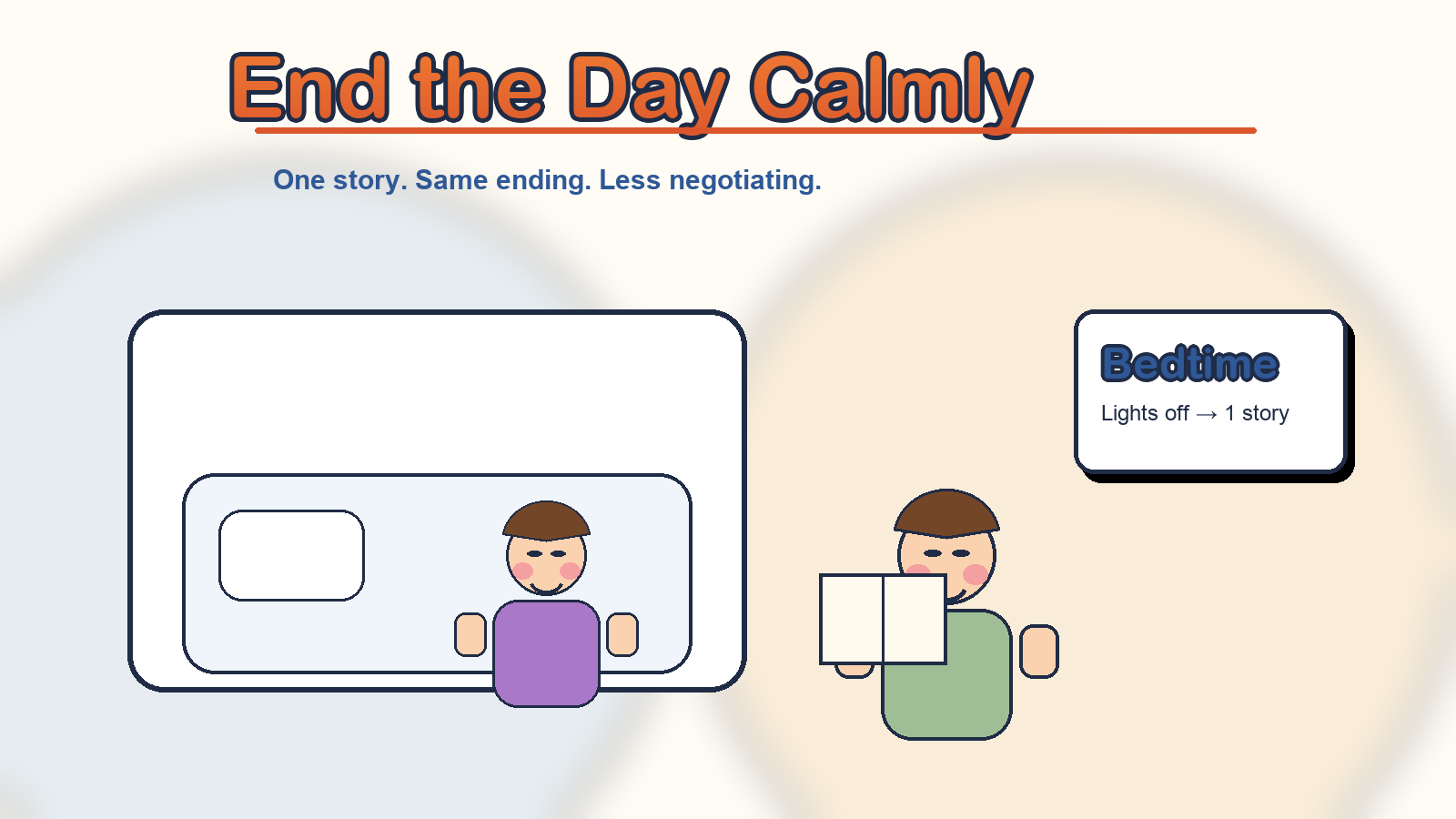
If you want a full setup guide for visuals, read How to Make a Visual Schedule + Use It Well.
I stopped needing the perfect conversation. I started trusting the visible routine.
Have you had a moment where a simple boundary worked better than another explanation?
相关专题聚合
如果这篇内容对你有帮助,建议继续看这些专题页。