 KidCue
2026-02-10
AuDHD Energy Tracking Without Pressure
A parent-and-personal perspective on energy crashes: what helps, what doesn’t, and why desktop-friendly tools matter.
这篇文章尚未完成中文翻译,以下正文为英文原文。
I’m AuDHD, and most days the hardest part isn’t focus. It’s energy.
I can work through a task and still miss the signs that I’m about to crash. By the time I notice, it’s already too late.
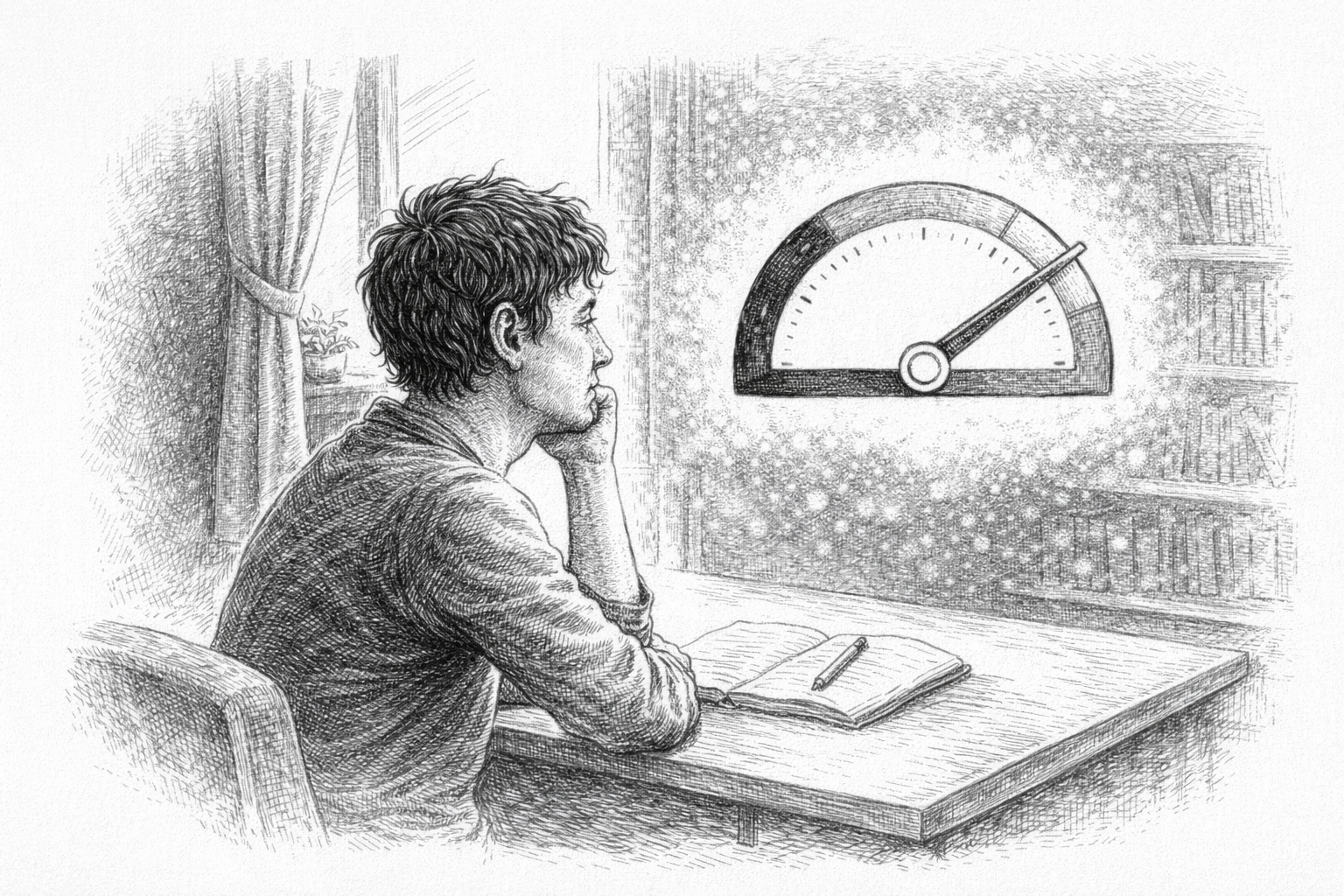
I used to think I needed more discipline. More willpower. More tracking. That felt reasonable in a productivity‑obsessed world.
The model that finally helped me is this:
Most energy crashes aren’t about effort. They’re about signals you can’t see.
That shift changed what I look for in tools.
What actually helps (for me)
I don’t want a phone‑based app. My phone is the source of most overwhelm. If I’m trying to regulate, the last thing I want is a device full of demands.
What helps instead:
- Desktop‑first tools
- Visual cues that stay in sight
- Minimal controls
- No gamified pressure
That’s why floating, no‑frills timers feel calming. They make time visible without asking me to “optimize” myself. The same is true for short, predictable reminders like stretch pop‑ups: big, brief, then gone.
What doesn’t help
I don’t want:
- streaks
- guilt
- notifications that multiply
- anything that treats regulation like productivity
If the tool adds pressure, I stop using it.
The version I’m building for myself
If I ever use an app for energy tracking, it has to feel like a gentle mirror, not a performance dashboard.
I want to notice patterns, not rank myself.
The closest analogy is a visual schedule but for energy: a way to see the day clearly without turning it into a test.
That’s the only kind of tool I can stick with.
Have you found a tool that helps you notice energy before the crash — without adding pressure?
相关专题聚合
如果这篇内容对你有帮助,建议继续看这些专题页。