 KidCue
2026-01-15
Your Child Isn’t Slow — Time Is Just Invisible to Them
Why kids struggle with routines — and how making time visible can turn daily battles into calm moments.
这篇文章尚未完成中文翻译,以下正文为英文原文。
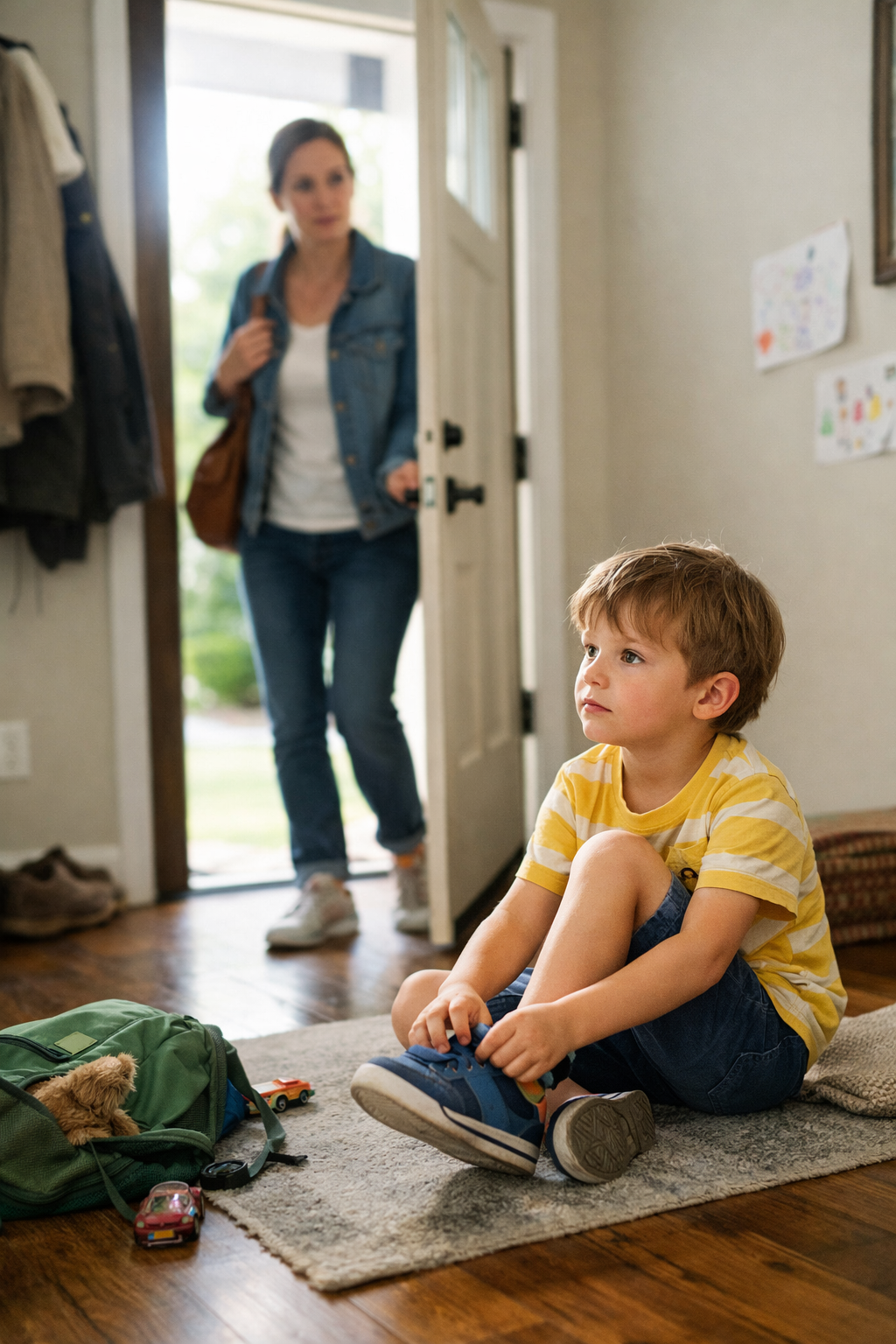
Many parents describe the same frustration.
Mornings feel rushed.
Bedtime drags on forever.
Simple tasks somehow take far longer than they should.
You say things like:
“Come on, hurry up.”
“We’re almost out of time.”
“Just five more minutes.”
And your child… doesn’t move.
At some point, it starts to feel like stubbornness. Or defiance. Or lack of motivation.
But here’s the uncomfortable truth most of us miss:
Your child isn’t slow.
They just can’t see time the way you do.
Adults Live in Abstract Time. Kids Don’t.
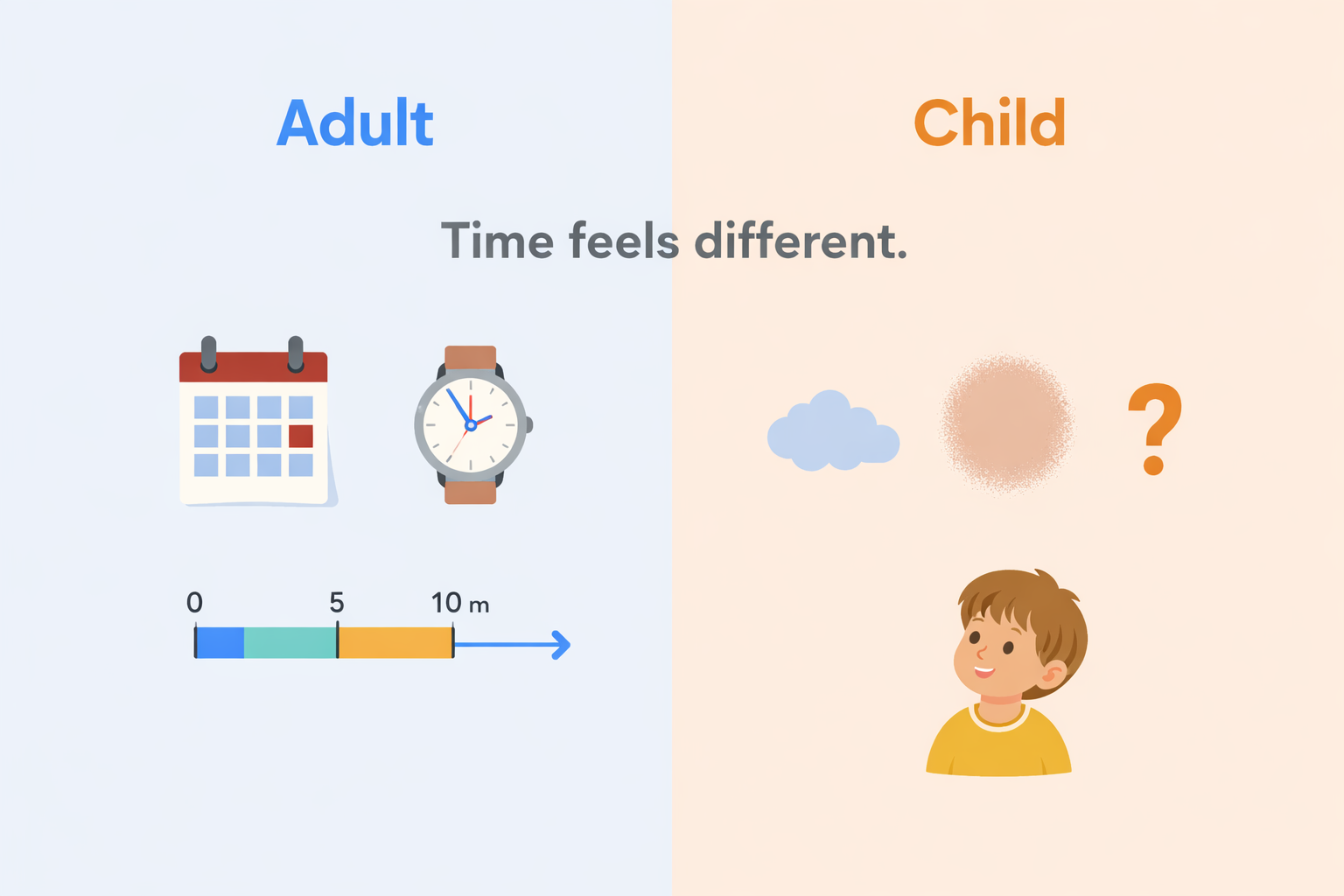
Adults carry an invisible timeline in their heads.
We feel five minutes.
We sense urgency.
We understand what “almost done” means.
Children don’t.
Time, to a young child, is not a number.
It’s not a countdown.
It’s not an internal clock.
It’s an abstract concept with no shape, no edge, and no clear ending.
So when we say “hurry up,” we’re asking them to respond to something they can’t actually perceive.
Why “Hurry Up” Doesn’t Work
To an adult, “hurry up” means:
Move faster because the remaining time is short.
To a child, it means:
Something is wrong, but I don’t know what or when it will end.
That gap creates tension.
The more abstract the instruction, the more uncertain the child feels.
The more uncertain they feel, the slower and more resistant they become.
Not because they want to resist —
but because they don’t know how to succeed.
The Real Problem Isn’t Behavior. It’s Visibility.
Most daily struggles aren’t caused by bad habits or poor discipline.
They come from invisible expectations.
We assume children understand:
- how long a task should take
- how close they are to finishing
- what comes next
But without a visible reference, they’re guessing.
And guessing under pressure is stressful — even for adults.
What Changes When Time Becomes Visible
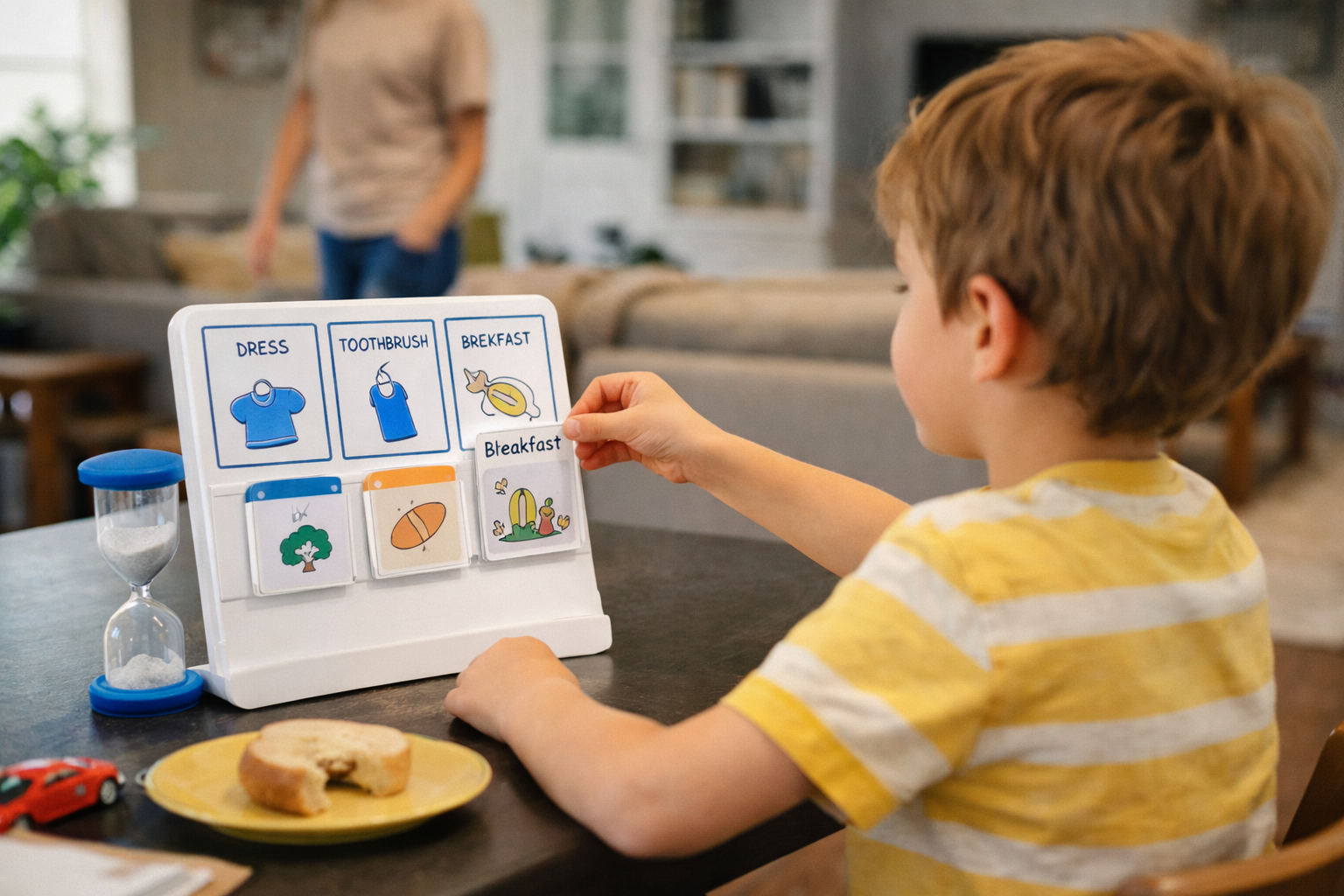
Something interesting happens when time stops being abstract.
When children can see time passing:
- endings feel safer
- transitions feel predictable
- tasks feel achievable
They stop asking “how much longer?”
Not because they’ve learned patience —
but because the answer is finally clear.
Clarity reduces anxiety.
Predictability reduces resistance.
Behavior improves not through control, but through understanding.
This Isn’t About Productivity
Helping kids see time isn’t about making them faster or more efficient.
It’s about giving them:
- a sense of control
- a clear finish line
- confidence that they’re doing it right
When expectations are visible, kids don’t need constant reminders.
They can move forward on their own.
A Gentler Way Forward
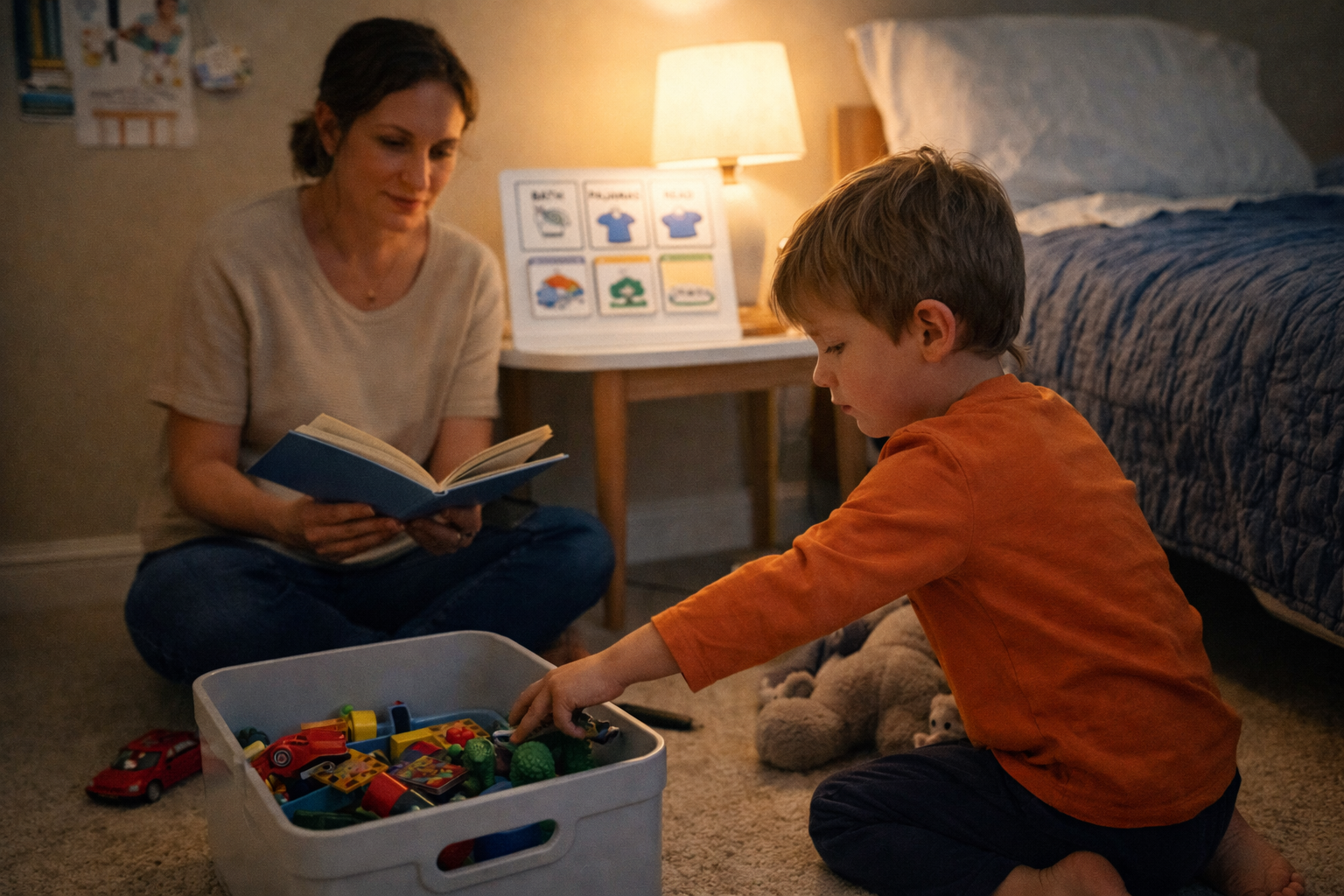
If routines feel like daily battles, it’s worth asking a different question:
Is my child resisting…
or are they navigating something they can’t see?
Often, the shift isn’t in the child.
It’s in how clearly we show them the path.
Time doesn’t have to be a source of conflict.
Sometimes, it just needs to become visible.
相关专题聚合
如果这篇内容对你有帮助,建议继续看这些专题页。