 KidCue
2026-01-23
How to Transition Away From TV Time Without a Meltdown
A parent perspective on why TV time endings blow up, and the small bridge that made the handoff calmer.
The Moment It Turns
It is 6:12 p.m. The credits roll, and my kid is glued to the couch like I just pulled the plug on oxygen. My stomach knots before I even say the words. I can already feel the pull of the fight, the familiar script that starts with a small request and ends with tears.
What I Got Wrong
I used to think the answer was more consistency: timers, warnings, follow-through. I kept doing it because it sounded fair and logical. If we are consistent, the outbursts should shrink. They did not. I stayed loyal to the plan because it felt like the right kind of parenting, the kind that is calm and clear. I thought the problem was that I was not firm enough.
I was wrong about what the battle was. I thought the problem was stopping the show. The real friction was the drop between two worlds without a bridge. The screen world has a pace and a rhythm, and then suddenly it is gone. I was asking my kid to make a big internal shift in a tiny moment. That kind of change looks like a meltdown because it feels like a cliff.
The Bridge That Helped
What shifted for us was not a stricter rule. It was a bridge. I tried a visual timer for a while, not as a threat, but as a preview. The change was not obedience. The change was that the ending stopped feeling like a trap. My kid could watch the time move and feel the end arriving. I could see the tension start to soften a few minutes before the cutoff instead of exploding after it.
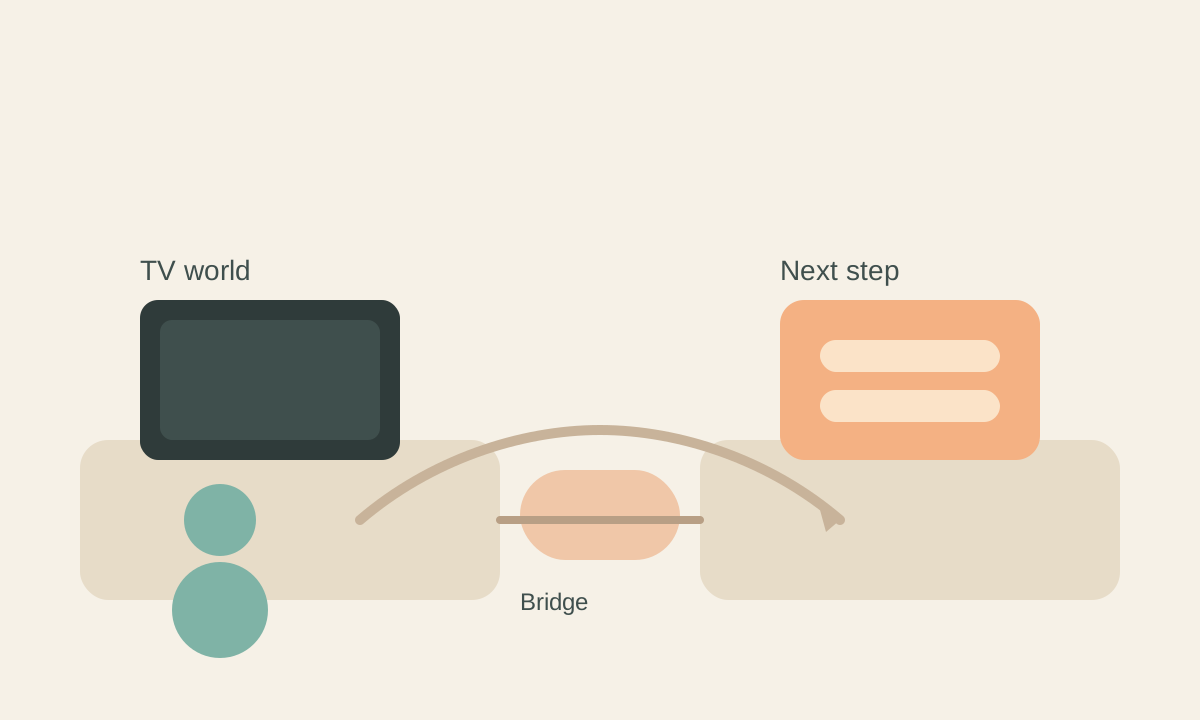
I used to think clearer rules were the fix, but the real issue was invisible endings. The problem is not that kids cannot stop. The problem is that they cannot see the landing.
When I started treating the transition as its own moment, everything softened. I would name what was about to happen and stay near the edge of the switch. I would sit on the floor, ready for the next step, so the next world did not feel far away. I stopped trying to win the cutoff and started trying to make it legible.
This did not make my kid magically easy. The requests were still there, the disappointment still showed up, and some days still had tears. But the panic was not the default anymore. The argument stopped feeling inevitable. I felt like I was walking across with them instead of dragging them off.
The Model That Stuck
The shift was small, but it changed the story in my head. I was not failing at boundaries. I was missing the bridge. When I fixed the bridge, the same boundary became bearable.
The model that stays with me is simple: most screen-time battles are not about stopping, they are about not seeing what comes next. When the landing is visible, the jump is smaller.
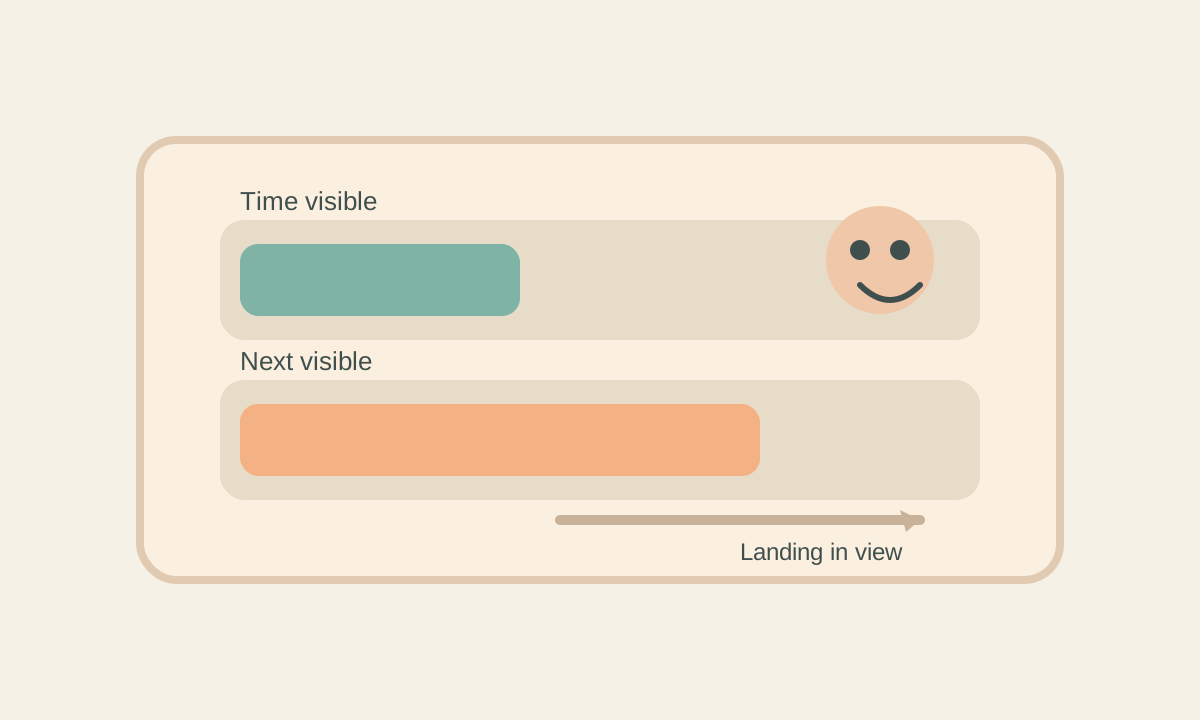
A Softer Ending
After that, I was not so braced for a fight anymore. I could breathe again at the end of a show. Have you had a moment where a small shift made the TV handoff feel different?
Related Topic Hubs
If this post helped, these curated hub pages can guide your next steps.